The Fair Folk Legend, Origin and Folklore | Tabula Supernaturalis
The Fair Folk is catalogued under Fae & Little Folk from Irish and Scottish Sidhe Mounds, Ireland / Scotland. Read origin, appearance, sightings, cultural...
Origin and tradition
Celtic and later island folklore places the Fair Folk in hollow hills, rings, and otherworldly courts where human etiquette determines blessing or disaster. This atlas keeps the older tradition separate from later reports: it locates the legend in Irish and Scottish Sidhe Mounds, Ireland / Scotland, and treats sightings as evidence of transmission rather than proof of a verified creature.
Appearance
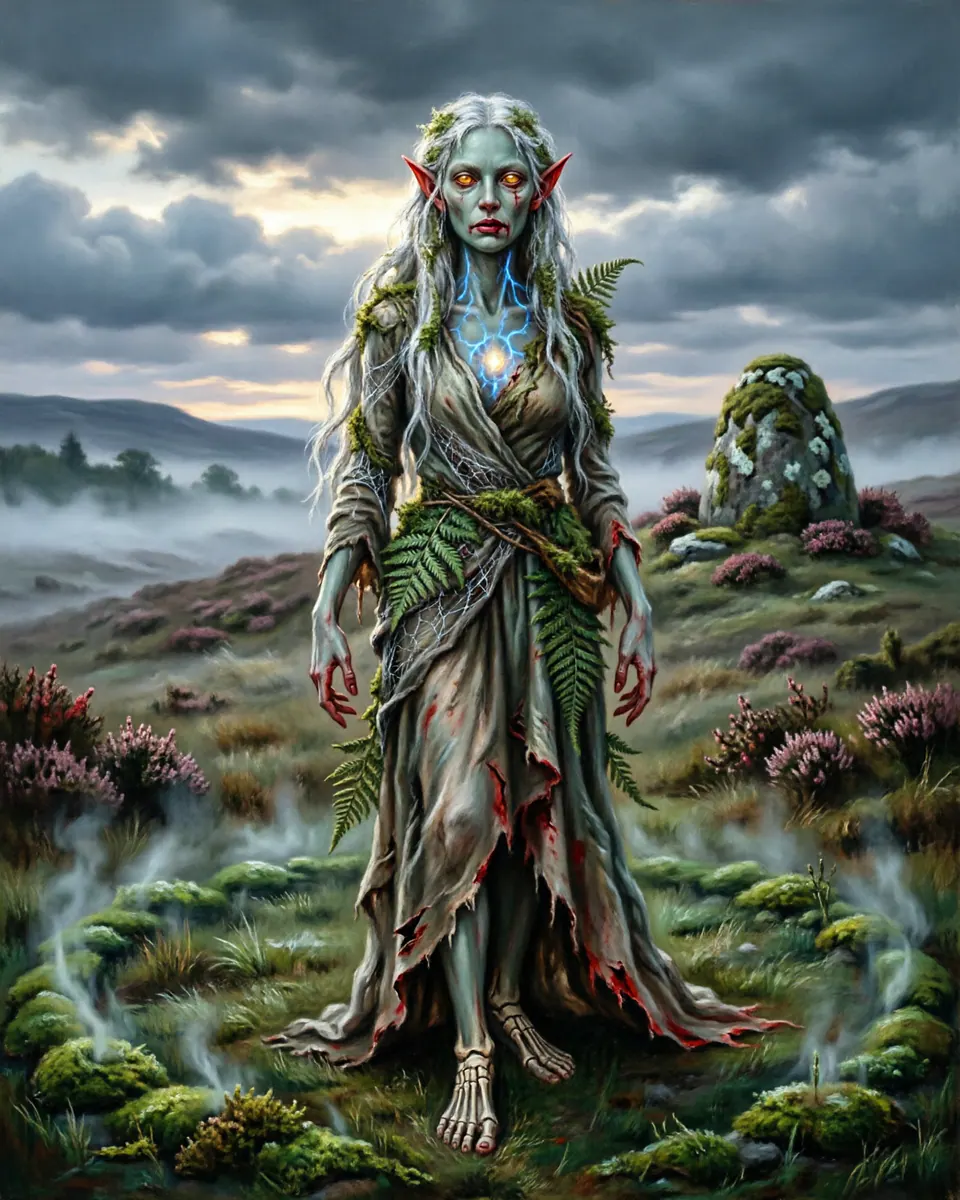
Beautiful or eerie humanlike beings whose glamour hides age, wildness, or impossible anatomy, often seen near fairy rings and ancient mounds. The creature should read as small or uncanny through scale, clothing, tools, footprints, and boundary spaces such as houses, fields, trees, or stones.
Reported abilities
- Glamour Illusion
- Fairy Ring Time Loss
- Bargain Curse
Field notes
The Fair Folk are not harmless sprites; they are neighbors with rules. Food, names, gifts, and promises all matter dangerously. Little-folk traditions often work like rules for living with a landscape or household, so the atlas emphasizes bargains, offerings, tricks, and respect for boundaries.
Related traditions
The broad Celtic cousin family for Banshee and Selkie, matching Duende and Kitsune in glamour, boundary rules, and mischief. The comparison is motif-based rather than a claim of direct borrowing: it links The Fair Folk to related beings through trickster rules, miniature scale, domestic or field boundaries, offerings, hidden labor, and the uncertainty between helper and threat, while preserving its local name, place, and cultural function.