La Llorona (Weeping Woman) Legend, Origin and Folklore | Tabula Supernaturalis
La Llorona (Weeping Woman) is catalogued under Spirits, Ghosts & Demons from Rio Grande Riversides, Mexico. Read origin, appearance, sightings, cultural...
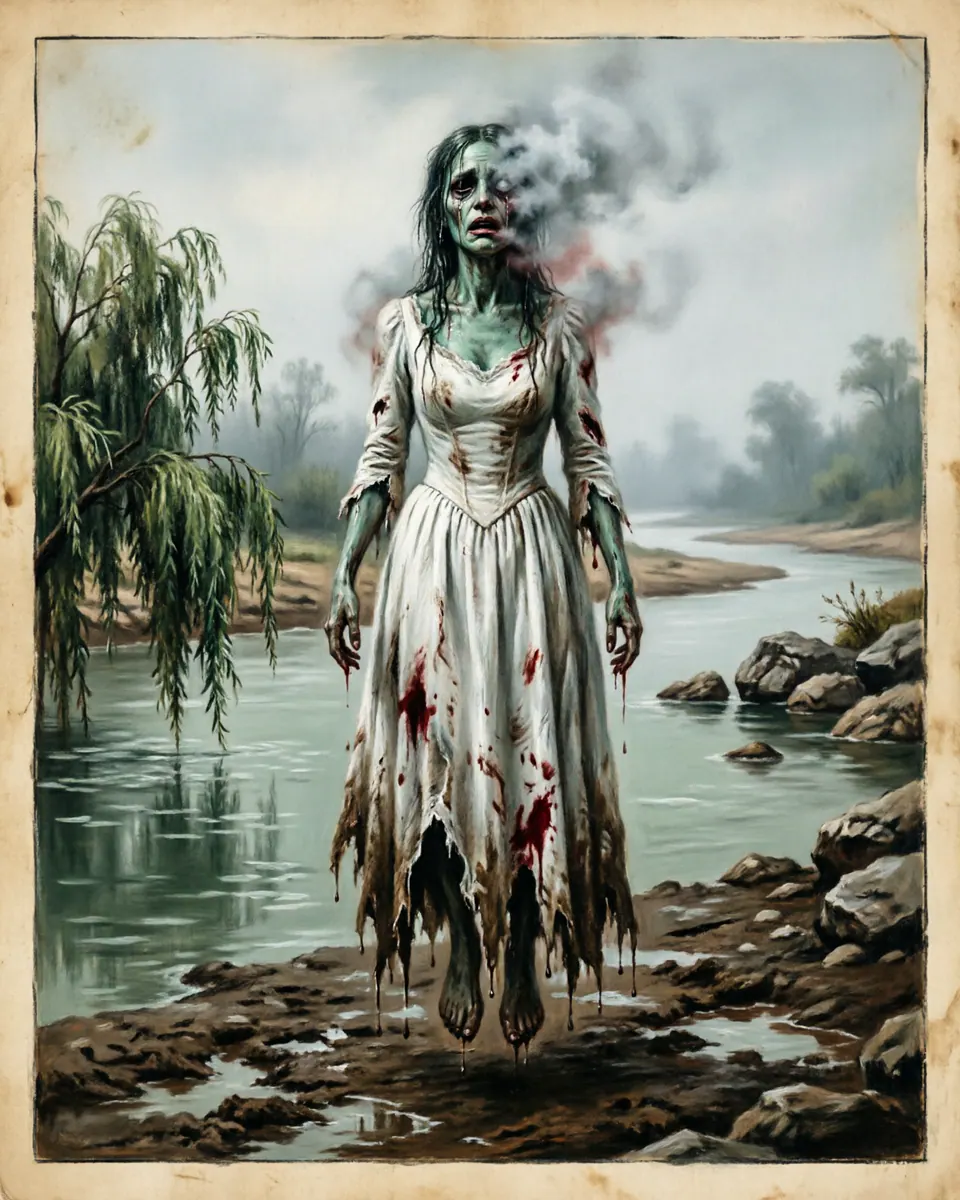
Origin and tradition
Spoke of during early Spanish colonization, detailing a beautiful Mestiza named Maria who drowned her sons in a fit of mad jealousy, cursed to search for them forever. This atlas keeps the older tradition separate from later reports: it locates the legend in Rio Grande Riversides, Mexico, and treats sightings as evidence of transmission rather than proof of a verified creature.
Appearance
A wet, skeletal woman dressed in a stained white wedding gown, her face veiled in gray mist, hovering over muddy river banks. The image and copy should emphasize the legend's sensory logic: place, sound, light, posture, and the emotional pressure it creates for witnesses.
Reported abilities
- Water Drowning Pull
- Tear-Gas Mist Mist Projection
- Infants Seduction Shouting
Field notes
Children are warned never to go near river beds at night. If you hear her weeping nearby, she is actually miles away; if she sounds distant, she stands directly behind you. Spirit traditions are treated as place-bound memory and moral warning, so the atlas distinguishes the apparition from ordinary animals or costumed people.
Related traditions
The absolute standard of Hispanophone ghost weeping, identical to Ireland's Banshee and Southeast Asia's Pontianak in fatal wailing. The comparison is motif-based rather than a claim of direct borrowing: it links La Llorona (Weeping Woman) to related beings through haunting, road danger, unfinished grief, ominous sound, and the way a location becomes charged by repeated storytelling, while preserving its local name, place, and cultural function.