Domovoi Legend, Origin and Folklore | Tabula Supernaturalis
Domovoi is catalogued under Fae & Little Folk from Rural Villages, Russia. Read origin, appearance, sightings, cultural cousins, and source notes.
Origin and tradition
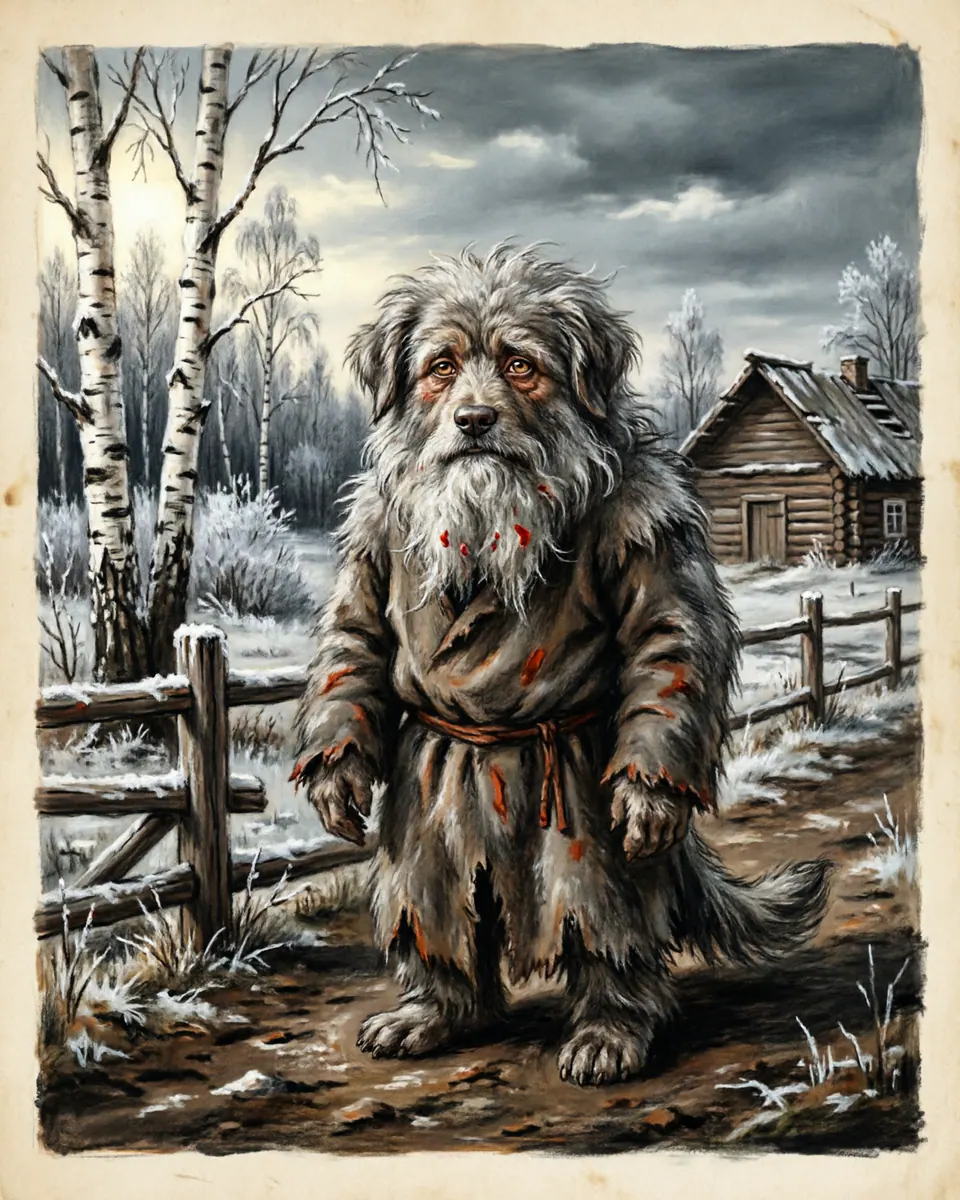
Pagan Slavic ancestors who believed household spirits resided beneath the stove or hearth to guard the cottage's spiritual boundaries. This atlas keeps the older tradition separate from later reports: it locates the legend in Rural Villages, Russia, and treats sightings as evidence of transmission rather than proof of a verified creature.
Appearance
A tiny, bearded old man who resembles the patriarch of the house, covered in soft shaggy white hair, with warm dog-like eyes. The creature should read as small or uncanny through scale, clothing, tools, footprints, and boundary spaces such as houses, fields, trees, or stones.
Reported abilities
- Telekinesis (Flinging Bowls)
- Predictive Snorting (Omen of death)
- Animal Whispering
Field notes
A happy Domovoi keeps rats away and sweeps the floor while the family sleeps. If ignored, they grow highly toxic, choking sleeping family members with their heavy weight. Little-folk traditions often work like rules for living with a landscape or household, so the atlas emphasizes bargains, offerings, tricks, and respect for boundaries.
Related traditions
Identical to Scandinavia's Tomte/Nisse and Scotland's Brownie in domestic guardianship and food taboos. The comparison is motif-based rather than a claim of direct borrowing: it links Domovoi to related beings through trickster rules, miniature scale, domestic or field boundaries, offerings, hidden labor, and the uncertainty between helper and threat, while preserving its local name, place, and cultural function.